signal analysis
Critical readings of culture, communication, branding, music and audience behaviour.
Brands are increasingly designing exclusivity as a visual condition — something structured to be documented from the outset instead of privately experienced.
1. the AESTHETICISATION OF ACCESS
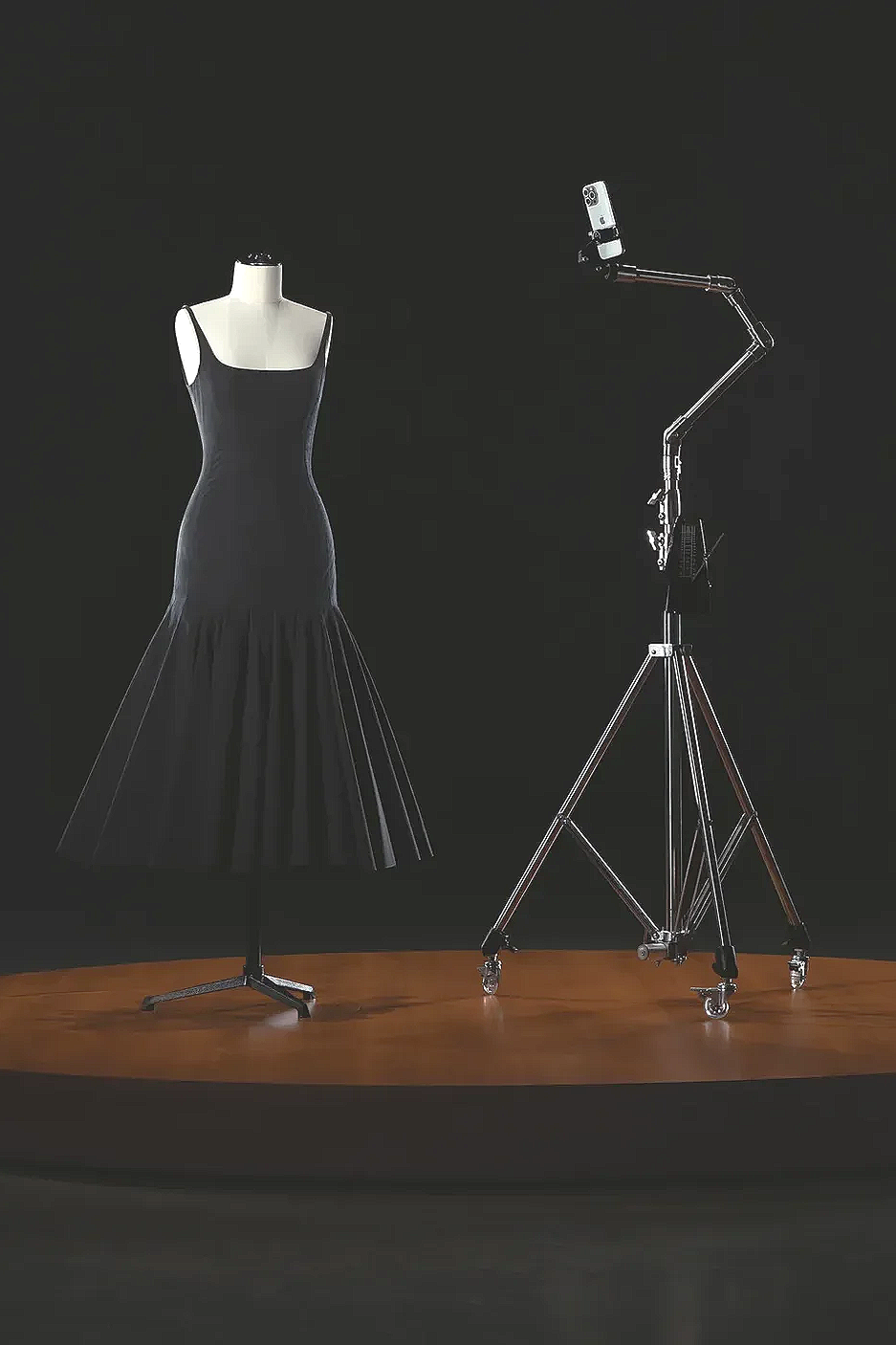
Jacquemus’ Spring 2025 presentation illustrates this clearly. Staged in architect Auguste Perret’s former Paris apartment with a guest list of around forty, the show replaced scale with proximity. Filmed largely on iPhones positioned throughout the space, in collaboration with Apple, the presentation was designed to circulate as much as it was designed to be seen in the room. The format collapsed the distinction between show, set, and distribution channel: what mattered was not the capacity of the audience, but the legibility of the moment once it left the space.
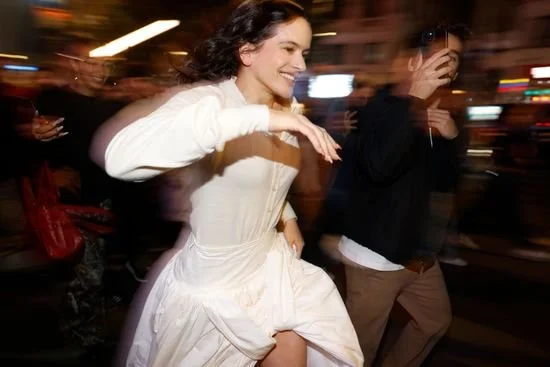
A similar logic appears in Rosalía's Lux rollout, where an unannounced appearance in Madrid's Callao Square functioned less as a pre-structured media event. The moment was designed to be captured immediately and circulated by those present, the appearance moved across TikTok at a speed that suggested its visibility had been anticipated, even if its documentation was not directly controlled. It operated simultaneously as performance, announcement, and campaign asset.
Mass scale has stopped reliably producing cultural reach. A heavily produced show for thousands of people now competes with everything else online. A tightly composed room of forty, or a single staged appearance in a public square, reads as more authentic — even though it is, if anything, more carefully engineered. Exclusivity isn't really about keeping people out anymore. It's about giving the few people let in something worth filming.
however, the front row has been rebuilt.
Not every reaction to exclusivity is more exclusivity. Sometimes it's the opposite.
The story behind La Watchparty starts with a rejection. Critic and influencer Lyas couldn't get into a Dior show he was desperate to see, so instead of staying home he set up a television in a Paris bar and watched it there, publicly, with whoever wanted to join. He thought a few friends might show up. Something closer to three hundred people did. What had been a private workaround for one frustrated outsider turned into a recurring fixture of fashion month, now drawing crowds to watch livestreamed shows together in person.
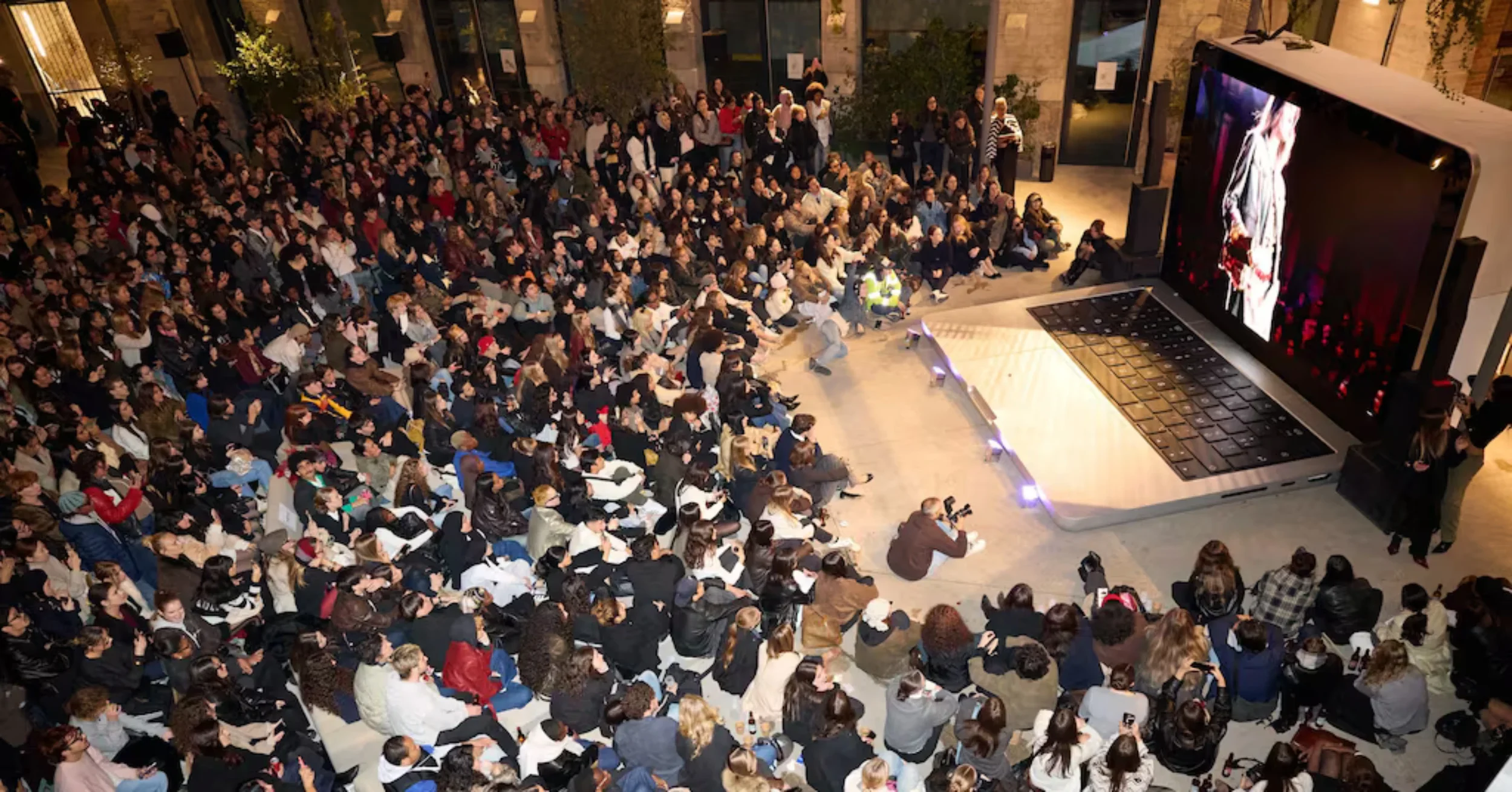
The detail that makes it more than a clever stunt is how seriously it's been designed. There's a station for guests to leave lipstick prints, a live vote on which designer's show was strongest, and a screen built to look like an oversized laptop so the room feels closer to watching at home than attending an industry event. After each show, attendees rate it themselves rather than waiting to read a critic's verdict — putting judgement back in the hands of the audience rather than the press. Major fashion houses have offered sponsorship and been turned down, specifically to keep the event's opinions from being shaped by brand money.
None of this competes with exclusivity directly. It just builds a second room next to it — one that borrows the theatre and stakes of the real show while removing the requirement of already being someone important enough to be invited. The rope stays up elsewhere. This is what gets built beside it instead. Access sometimes gains its value by being the thing everyone else made unnecessarily hard to get.
2. recommendation culture
Spotify's AI DJ is the clearest version of this tension currently running. The voice narrating your personalised mix is modelled on Xavier "X" Jernigan, the platform's actual head of cultural partnerships, built using voice technology from Spotify's Sonantic acquisition combined with OpenAI's technology. The feature works because it borrows the format of a real person who knows your taste, even though the thing actually doing the recommending is a personalisation model reading your listening data. Spotify is giving the machinery a face, because a song suggested by someone who sounds like they know you lands completely differently to the same song appearing silently in a queue.
This same instinct now runs both directions. Where DJ X borrows a human voice to make algorithmic recommendation feel personal, Spotify's recent licensing agreement with Universal Music Group moves the other way, paving the way for fans to eventually generate AI remixes and covers of songs from artists who choose to opt in. One direction wraps the algorithm in a human voice. The other will let fans put their own hands on a recognisably human catalogue using a machine. Both are attempts to solve the same underlying problem: recommendation and remix only really land when they feel like they came from somewhere a consumer can identify with.
This is also exactly why a friend's recommendation still beats an algorithm's, even when the algorithm is more statistically accurate to your taste. A friend's suggestion carries information about who they are and what sending it says about you. An algorithm has nothing to disclose about itself, so platforms increasingly manufacture that disclosure artificially — whether through a synthetic DJ with a real name and a real job title, or by letting fans literally put their hands on the source material.
Algorithms recommend content. People recommend identity.

3. the return of heritage
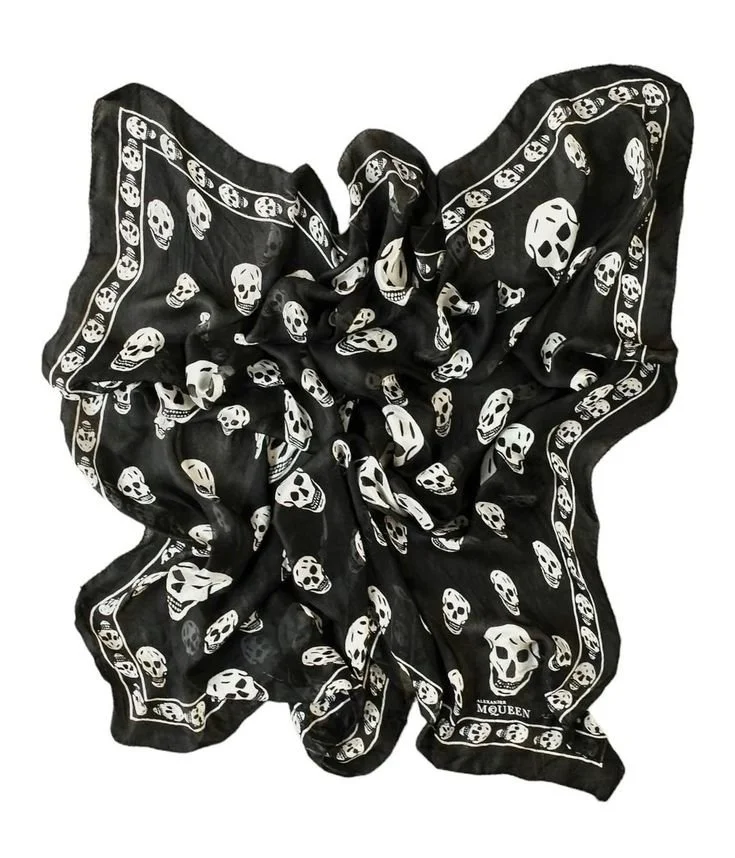
THE ALEXANDER MCQUEEN SKULL SCARF
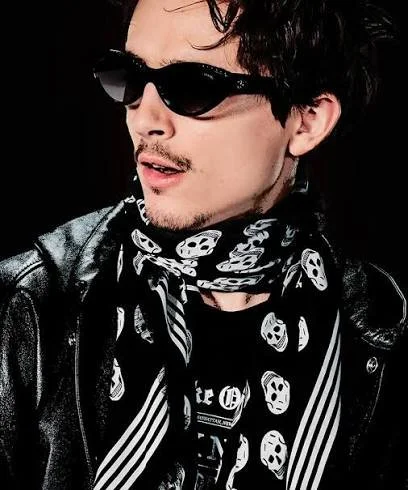
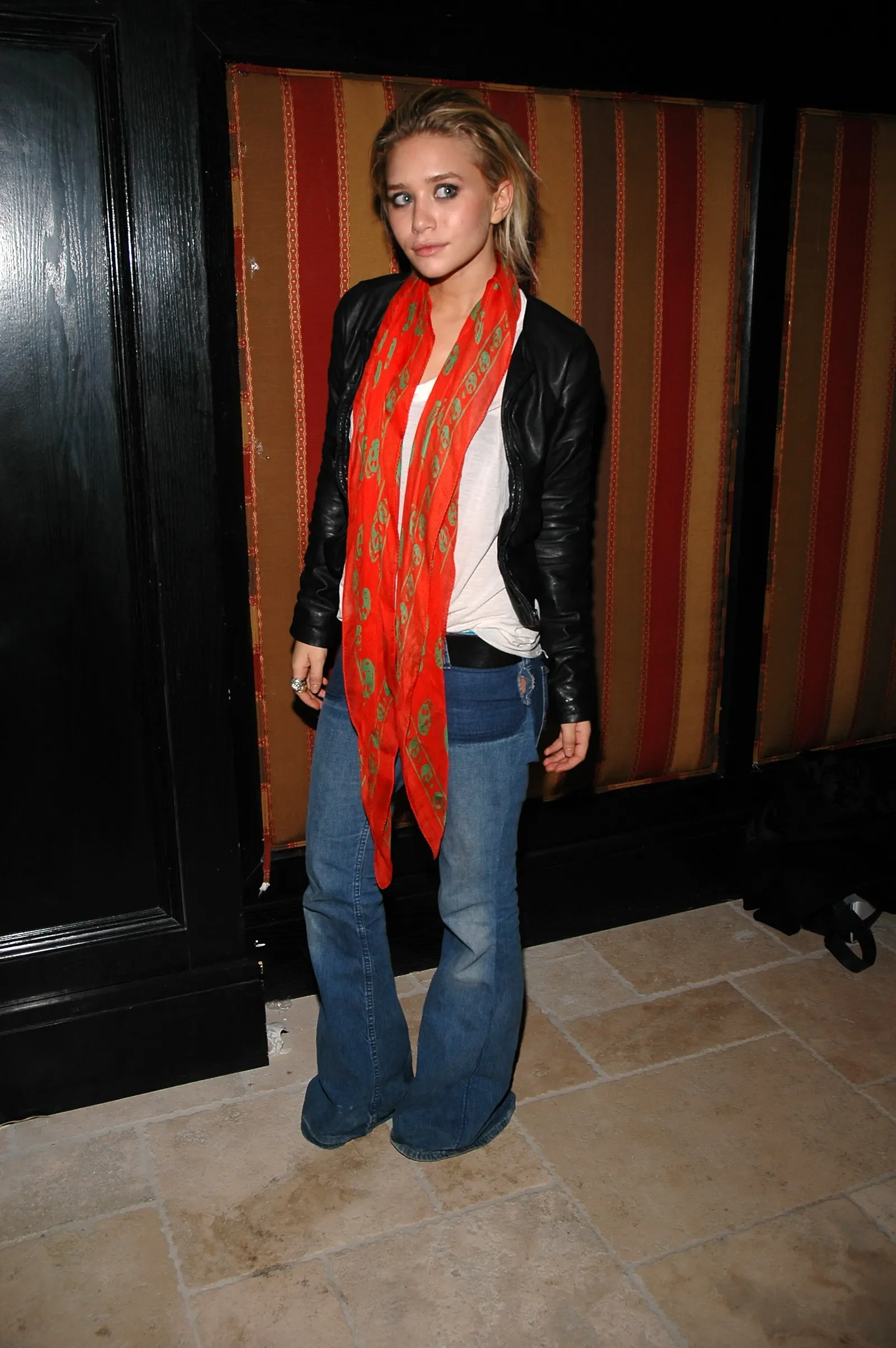
The Alexander McQueen skull scarf never fully disappeared. First introduced in the Irere collection (2003), it moved through the 2010s as a recognisable cult object — circulating through resale markets and subcultural styling — before fading from mainstream visibility.
Its recent return follows a notably circular pattern between archive, celebrity, and brand. The motif re-entered cultural circulation through independent styling before formal reactivation: Timothée Chalamet wore the scarf during press for A Complete Unknown, followed by Charli XCX incorporating it into Glastonbury performance styling, reframed within a broader Y2K revival context. Only afterwards did Seán McGirr reintroduce the skull motif into McQueen’s Fall 2025 collection, with subsequent red-carpet appearances such as Margot Robbie’s custom gown extending its visibility back into high fashion circulation.
What is structurally significant is the sequence. The object does not move from brand → audience → culture, but from culture → audience → brand → culture again. Its resurgence is not initiated by institutional design but by informal reactivation through resale platforms, algorithmic nostalgia feeds, and stylistic recycling. The brand then functions as a formal validator of a signal that has already re-emerged elsewhere.
This reflects a broader condition across contemporary fashion and cultural production: archives are no longer static reference points but active systems of redistribution. In environments shaped by TikTok-era resurfacing and algorithmic repetition, prior cultural objects accumulate renewed value not through intentional revival, but through re-circulation among audiences who did not originally encode them.
In this context, heritage operates as pre-loaded cultural trust. The archive is no longer mined by brands so much as surfaced by culture and subsequently formalised by them. Heritage is no longer a story brands construct. It is a signal the culture reactivates before the brand recognises it has returned.